Features
The Future of Cinema: Where Stories Come Alive
An exploration of how modern technology and traditional storytelling are creating unprecedented cinematic experiences.
The landscape of African cinema has undergone a remarkable transformation over the past two decades. What was once a scattered collection of independent voices has evolved into a formidable force in global filmmaking, commanding attention at international festivals and capturing audiences worldwide. From the bustling streets of Lagos to the sun-drenched shores of Dakar, African filmmakers are crafting narratives that challenge conventions, celebrate heritage, and push the boundaries of what cinema can achieve.
This renaissance didn’t happen overnight. It emerged from decades of passionate storytelling, often carried out under challenging circumstances with limited resources but unlimited creativity. Directors like Ousmane Sembène laid the groundwork in the 1960s, while contemporary visionaries such as Wanuri Kahiu, Kemi Adetiba, and Mohamed Diab are building upon that foundation, creating works that resonate across continents and generations.
The rise of Nollywood stands as perhaps the most dramatic example of this cinematic revolution. Nigeria’s film industry now produces more films annually than Hollywood, making it the second-largest film industry in the world by volume. But quantity alone doesn’t tell the full story. The quality, sophistication, and technical prowess of Nigerian cinema have grown exponentially, with films like “The Wedding Party,” “King of Boys,” and “Lionheart” achieving both critical acclaim and commercial success.
What makes Nollywood’s evolution particularly fascinating is its grassroots origin story. Beginning in the early 1990s with low-budget video productions sold in local markets, the industry has transformed itself through sheer determination and entrepreneurial spirit. Today’s Nollywood productions feature state-of-the-art equipment, international co-productions, and distribution deals with major streaming platforms. The industry generates billions of dollars annually and employs millions of people, from actors and directors to set designers, makeup artists, and distribution networks across the continent.
Yet Nollywood is just one chapter in a much larger story. South African cinema continues to produce internationally recognized work, from historical dramas examining the apartheid era to contemporary thrillers exploring urban life. Ghana’s film industry, while smaller in scale, has carved out its own distinctive voice, particularly in comedy and drama. Meanwhile, East African countries like Kenya, Uganda, and Tanzania are experiencing their own filmmaking booms, each bringing unique perspectives and storytelling traditions to the screen.
Kenya’s film industry, often called “Riverwood,” has emerged as a significant player in recent years. Films like “Rafiki,” which made history as the first Kenyan film to premiere at Cannes, and “Supa Modo,” which won numerous international awards, demonstrate the country’s growing cinematic prowess. The Kenyan government’s recognition of film as a cultural and economic asset has led to improved infrastructure, including modern studios and post-production facilities that serve the entire East African region.
North African cinema, with its rich tradition dating back to the early days of film, continues to make waves on the international stage. Egyptian cinema, often called the “Hollywood of the Middle East,” has influenced filmmaking across the Arab world for nearly a century. Morocco’s film industry has become a favorite location for international productions while nurturing its own distinctive voice. Tunisia, Algeria, and other North African nations contribute their own powerful narratives, often tackling complex social and political themes with remarkable courage.
“The future of cinema is being written in Africa. Our stories are universal, our creativity is boundless, and our time is now.”
The Moroccan film industry deserves special mention for its dual role as both a production hub and a creative force. Cities like Marrakech, Ouarzazate, and Essaouira have hosted countless international productions, from Hollywood blockbusters to prestigious art house films. This influx of international work has created a skilled workforce and world-class facilities, which Moroccan filmmakers now leverage to tell their own stories. Films like “Much Loved” and “Adam” have sparked important conversations about society, religion, and personal freedom in contemporary Morocco.
The technological revolution has played a crucial role in this expansion. Digital cameras, editing software, and distribution platforms have democratized filmmaking, allowing talented creators to tell their stories without the prohibitive costs of traditional film production. Streaming services like Netflix, Amazon Prime, and local platforms have opened up new avenues for distribution, bringing African films to global audiences in ways that were unimaginable just a decade ago.
The rise of indigenous streaming platforms has been equally significant. Services like IROKOtv, Showmax Africa, and others are creating space specifically for African content, understanding the unique preferences and viewing habits of African audiences. These platforms not only distribute content but also invest in original productions, providing financing and support that helps filmmakers realize their visions. The competition among streaming services for African content has driven up production values and created unprecedented opportunities for creators.
Women filmmakers are playing an increasingly prominent role in shaping African cinema’s future. Directors like Wanuri Kahiu, Mati Diop, Apolline Traoré, and Jahmil X.T. Qubeka are creating films that challenge patriarchal narratives and center women’s experiences. Their work addresses issues from LGBTQ+ rights to gender-based violence, from professional ambition to personal freedom. These filmmakers aren’t just making films about women—they’re fundamentally changing how stories are told and whose perspectives are considered valuable.
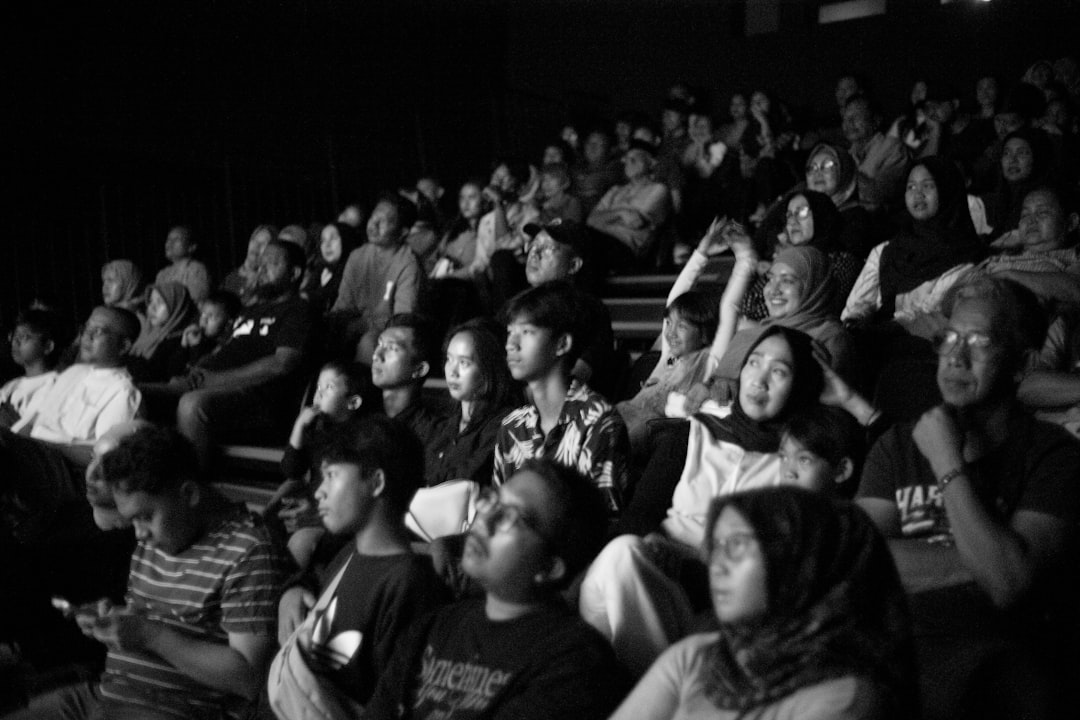
Celebrating African cinema: Audiences embrace homegrown storytelling
Film festivals have emerged as crucial platforms for African cinema. The Panafrican Film and Television Festival of Ouagadougou (FESPACO), held biennially in Burkina Faso, remains the continent’s premier film festival, celebrating African cinema in all its diversity. The Durban International Film Festival, the Zanzibar International Film Festival, and dozens of other events across the continent provide vital spaces for filmmakers to showcase their work, network with industry professionals, and find distribution opportunities.
FESPACO’s significance extends beyond mere exhibition. Since its founding in 1969, it has served as a rallying point for pan-African cinema, bringing together filmmakers from across the continent and the diaspora. The festival’s prestigious Étalon de Yennenga award has launched careers and brought attention to films that might otherwise have struggled to find audiences. In many ways, FESPACO represents the dream of a unified African cinema that speaks to the continent’s shared experiences while celebrating its incredible diversity.
International recognition has followed. African films and filmmakers are increasingly present at Cannes, Berlin, Venice, and other major festivals. Films like “Timbuktu,” “Atlantics,” and “The Gravedigger’s Wife” have earned critical acclaim and prestigious awards. African actors, directors, and cinematographers are being recognized for their contributions to world cinema, breaking down barriers and challenging stereotypes.
The documentary tradition in African cinema deserves special recognition. From powerful political exposés to intimate personal stories, African documentarians are creating vital historical records and sparking essential conversations. Films like “The Square,” chronicling Egypt’s Arab Spring, and “Mama Colonel,” examining conflict in the Democratic Republic of Congo, demonstrate the power of documentary filmmaking to bear witness to crucial moments in history. These films often face censorship and political pressure, yet they persist in telling necessary truths.
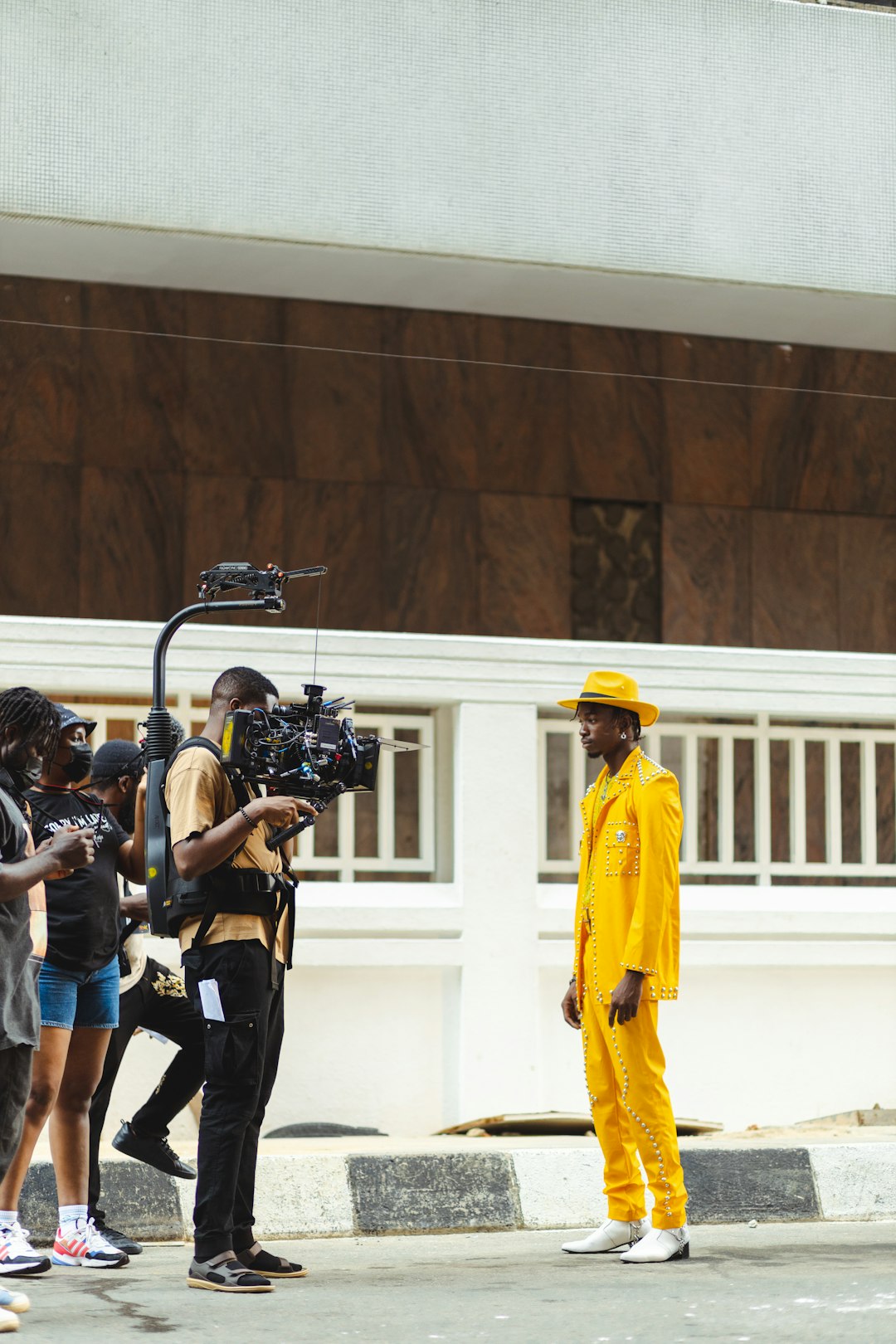
On location: Modern African film production combines tradition with cutting-edge technology
Animation represents another exciting frontier for African cinema. Studios like Triggerfish in South Africa and Cameroon’s Kabako have proven that African animators can compete on the global stage. Films like “Khumba” and television series like “Mama K’s Team 4” showcase African stories through animation, reaching younger audiences and demonstrating the continent’s creative range. The animation sector is growing rapidly, driven by both artistic ambition and commercial opportunity.
The themes explored in contemporary African cinema reflect the continent’s complexity and dynamism. Filmmakers are tackling everything from historical trauma and political corruption to LGBTQ+ rights and gender equality. They’re examining urbanization’s impact on traditional communities, exploring the diaspora experience, and celebrating African culture in all its richness. These aren’t films that fit neatly into Western expectations of “African stories”—they’re as diverse, nuanced, and multifaceted as the continent itself.
The economic impact of this cinematic boom cannot be overstated. Film industries across Africa are creating jobs, generating revenue, and contributing to GDP growth. Beyond direct employment, these industries support adjacent sectors: tourism, hospitality, fashion, music, and technology. Countries are beginning to recognize film as not just a cultural asset but an economic engine, leading to policy changes that support production, provide tax incentives, and protect intellectual property.
Yet challenges remain. Infrastructure gaps, limited access to financing, piracy, and distribution bottlenecks continue to hamper growth. Many talented filmmakers struggle to secure funding for their projects, often relying on international grants and co-productions. Cinema infrastructure—theaters, studios, post-production facilities—remains inadequate in many regions. The COVID-19 pandemic highlighted these vulnerabilities, forcing the industry to adapt rapidly to new production protocols and distribution models.
— Tsitsi Dangarembga, Zimbabwean Filmmaker
The diaspora has become an increasingly important part of the African cinema ecosystem. Filmmakers of African descent working in Europe, North America, and elsewhere maintain strong connections to the continent, often creating films that bridge cultures and explore themes of identity, belonging, and heritage. Their work enriches African cinema while bringing African perspectives to global audiences. This transnational approach reflects the reality of contemporary African identity—rooted in specific places but connected to a global community.
Film education and training programs across Africa are nurturing the next generation of talent. Institutions like the Kenya Film School, the South African School of Motion Picture Medium and Live Performance, and numerous workshops and training programs are providing young Africans with the skills and knowledge needed to succeed in the industry. Many of these programs emphasize not just technical skills but also business acumen, recognizing that sustainable careers require understanding both the art and commerce of filmmaking.
Looking ahead, the future of African cinema appears brighter than ever. Investment in film infrastructure is increasing, film schools are training a new generation of talent, and government policies in several countries are beginning to recognize cinema’s cultural and economic importance. Co-productions between African countries are becoming more common, fostering pan-African collaboration and resource sharing. The continent’s young, tech-savvy population is hungry for content that reflects their experiences and aspirations.
As we witness this golden age of African cinema unfold, one thing becomes clear: these filmmakers aren’t seeking permission or waiting for approval. They’re creating, innovating, and building an industry on their own terms. They’re proving that African stories have the power to move audiences anywhere in the world, that African talent can compete on any stage, and that the future of global cinema will be shaped, in no small part, by voices from this remarkable continent. The revolution isn’t coming—it’s already here, and it’s being captured on film, one powerful story at a time.
L'environnement créé autour de 1win reflète une volonté affirmée d'accompagner chaque joueur. Le mode sombre reposant pour les yeux convient particulièrement aux sessions prolongées. Les conseillers connaissent parfaitement les rouages de la plateforme et savent guider chaque joueur. L'écosystème complet répond aux attentes des joueurs occasionnels comme des plus aguerris. Les amateurs de jeux télévisés retrouvent leurs formats préférés adaptés au monde du casino en ligne. Les générateurs de nombres aléatoires sont audités par des organismes indépendants reconnus. Les opérations financières bénéficient de protocoles de chiffrement de niveau bancaire. Le chat en direct permet d'échanger avec les croupiers et les autres participants. L'expérience nomade est aussi complète que la version bureau, sans aucune fonctionnalité retirée. Les promotions transversales associent casino classique et live pour multiplier les opportunités. L'ergonomie générale témoigne d'un travail de design poussé et orienté utilisateur. Les tickets envoyés par e-mail reçoivent une réponse circonstanciée dans des délais courts. Les guides stratégiques mis à disposition aident les joueurs à optimiser leurs sessions. Les jeux instantanés et les cartes à gratter complètent agréablement l'offre principale. La plateforme publie régulièrement des rapports de transparence sur les taux de redistribution de ses jeux. Les options de paiement varient selon les pays mais couvrent l'essentiel des solutions usuelles. Le studio de jeu en direct fonctionne sans interruption avec des équipes qui se relaient. L'interface mobile a été conçue dès l'origine pour offrir une expérience fluide sur smartphones et tablettes. La constance dans la qualité est probablement le meilleur compliment que l'on puisse faire à cette plateforme. Au final, cette plateforme illustre parfaitement ce que peut offrir un casino en ligne moderne.
Le succès grandissant de vulkan vegas slots repose sur une offre cohérente et constamment renouvelée. Les flux vidéo en haute définition garantissent une qualité d'image irréprochable. L'authentification à deux facteurs renforce la sécurité des comptes utilisateurs. Les transitions entre les sections sont fluides et préservent le rythme de la session. Une foire aux questions très complète couvre la majorité des sujets sans intervention humaine. Le mode portrait comme le mode paysage sont parfaitement supportés pour le confort visuel. Le casino en direct propose des tables de roulette, blackjack et baccarat animées par des croupiers professionnels. Le bonus de bienvenue se déploie sur les premiers dépôts avec des conditions de mise raisonnables. L'écosystème complet répond aux attentes des joueurs occasionnels comme des plus aguerris. Les méthodes de paiement acceptées sont variées et adaptées aux préférences des joueurs francophones. Le chat en direct permet d'échanger avec les croupiers et les autres participants. Les générateurs de nombres aléatoires sont audités par des organismes indépendants reconnus. L'ergonomie générale témoigne d'un travail de design poussé et orienté utilisateur. L'écoute des retours utilisateurs nourrit régulièrement les évolutions de la plateforme. L'authentification biométrique simplifie la connexion depuis les téléphones compatibles. Les versions démo permettent de tester chaque jeu sans engager le moindre euro. Les opérations limitées dans le temps créent une dynamique stimulante pour les habitués. Les niveaux de difficulté ajustables ouvrent l'expérience à tous les profils sans exception. Les opérations en euros se déroulent sans frais de change ni surcoût caché. Les tables de blackjack live respectent strictement les règles internationales reconnues. La promesse initiale tient ses engagements grâce à un travail soigné dans tous les domaines. Le niveau d'exigence affiché par cette plateforme la positionne durablement parmi les leaders.